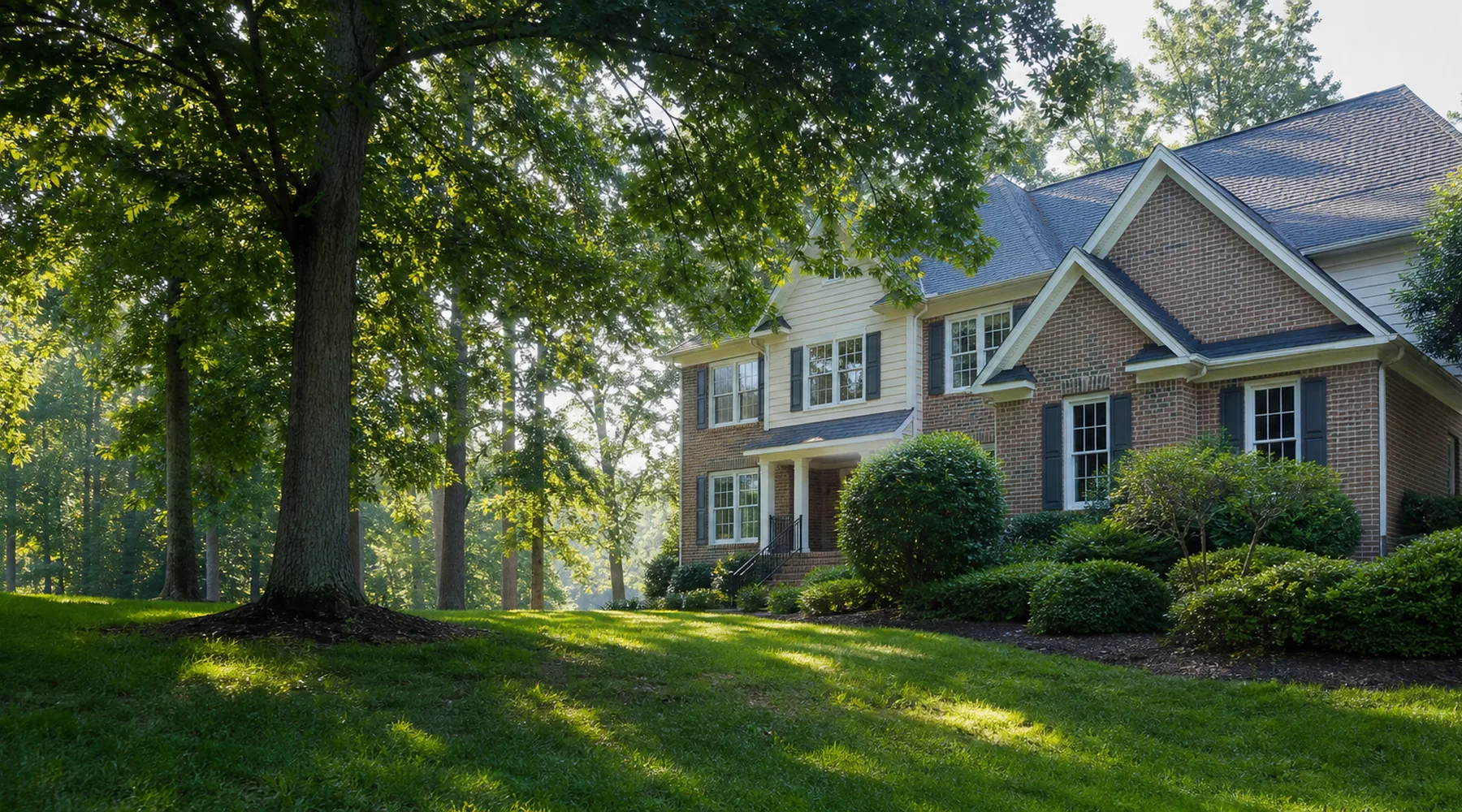
Cary mold remediation guidance
Trace the water first, then contain and dry the space the right way.
Cary grew from a nineteenth-century railroad depot into one of the fastest-expanding suburbs in the country once Research Triangle Park began pulling in tech and pharma employers during the 1980s, and that boom is stamped into the housing stock: mile after mile of HOA-governed subdivisions built on slab foundations over the region's notoriously slow-draining red clay. Afternoon thunderstorms common to a piedmont summer can sit on that clay for hours before it moves, which is exactly the kind of grading and drainage detail a remediation plan has to account for.
This site connects Cary homeowners with independent local providers; it doesn't perform the work itself, and who's available changes over time.
Built around local conditions
The house and site are part of the scope.
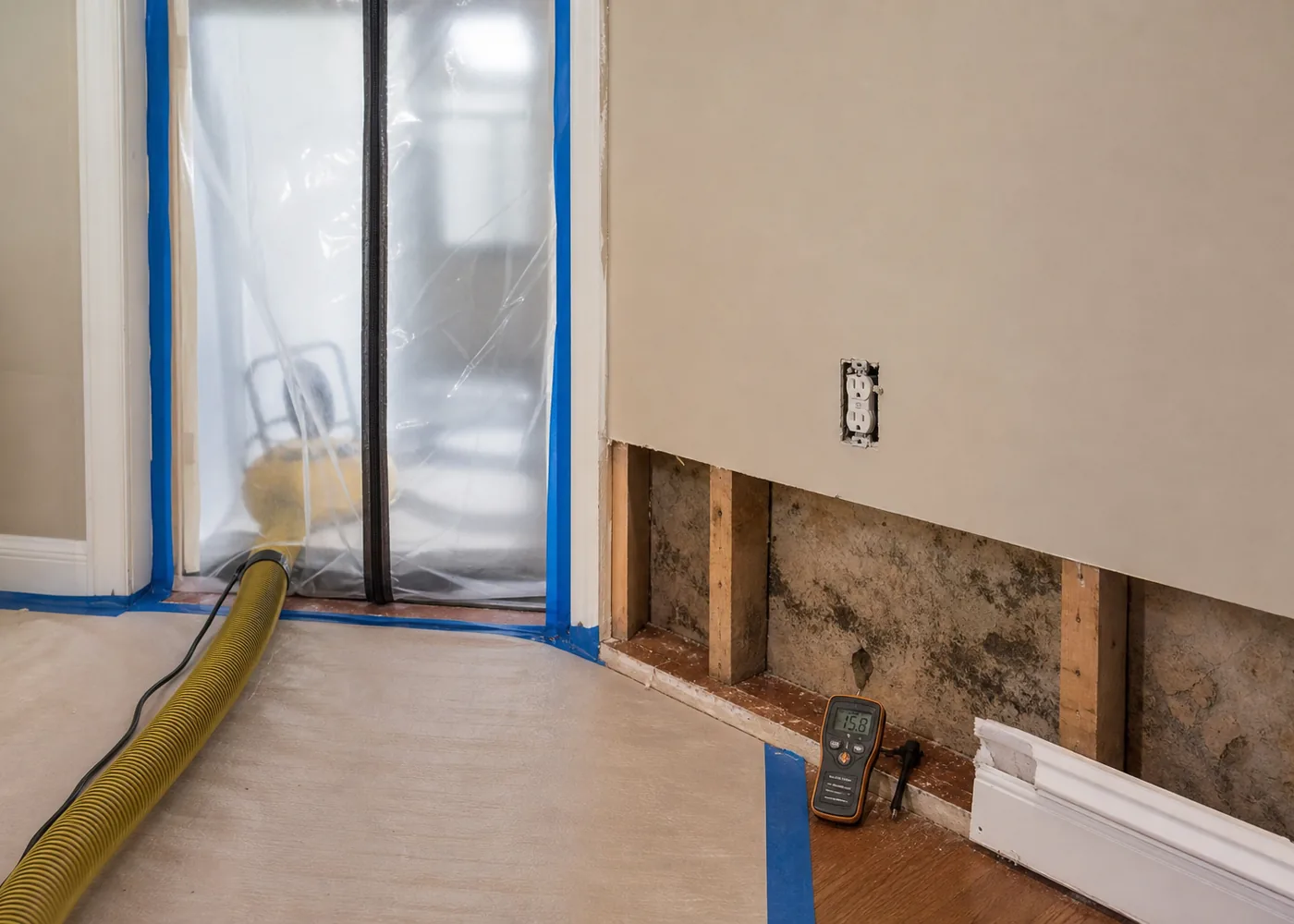
What you can see on drywall or framing is just the symptom; the plan that actually holds up tracks down where the water is getting in, how humid the space runs, how far into the materials it has traveled, how the work area gets sealed off from the rest of the house, and how the result gets confirmed once the crew leaves.
Neither the preservation program nor the stormwater system governs remediation, and it is more useful to say so than to imply a connection. Where they do earn their place is as history. The lot's drainage path and any recorded easement tell you how water is meant to move across the site, and a persistent moisture problem frequently turns out to be a structure sitting where that design has stopped working -- a blocked swale or a regraded neighboring lot. That is a record worth pulling, because it points at the cause rather than the symptom. Designation matters only if remediation leads to visible exterior reconstruction.
Review local sources →Project paths
Start with the work you are considering.
The work that lasts
Details hidden later deserve attention now.
Surface staining tells you almost nothing about what's happening inside the wall or under the subfloor. Getting the fix right means finding the entry point, tracking humidity, judging material damage, containing the work area properly, and checking the result afterward rather than assuming it worked.
See a sensible project process →Local housing context
“A small railroad town expanded rapidly with Research Triangle Park, producing successive generations of planned subdivisions and larger contemporary homes.”
Planning-level cost context
Compare scopes—not just totals.
How hard the area is to reach, what's already damaged, the materials involved, permit requirements, testing, hauling debris away, restoring finishes, and anything hidden behind drywall or under a slab can all shift a quote.
Tell us what you are planning
Make the first conversation more useful.
What you share here may be passed to an independent provider who covers Cary or a nearby Wake County community.
Common questions
A clearer starting point.
Are you the contractor?
No -- this site is an independent lead-generation and matching resource, not a contracting company.
Is a provider guaranteed?
No. Who's available in the Cary area changes, so confirm credentials and scope yourself before hiring.
Can I get an exact price online?
No. A trustworthy number depends on someone actually looking at the house and the specific scope you need.